Genesis 32: Jacob's Spiritual Struggle and Faith
Genesis 32 Teaching, Jacob Wrestling, Spiritual Reckoning, Faith And Struggle
Alone at the Jabbok: When God Lets the Struggle Go All Night
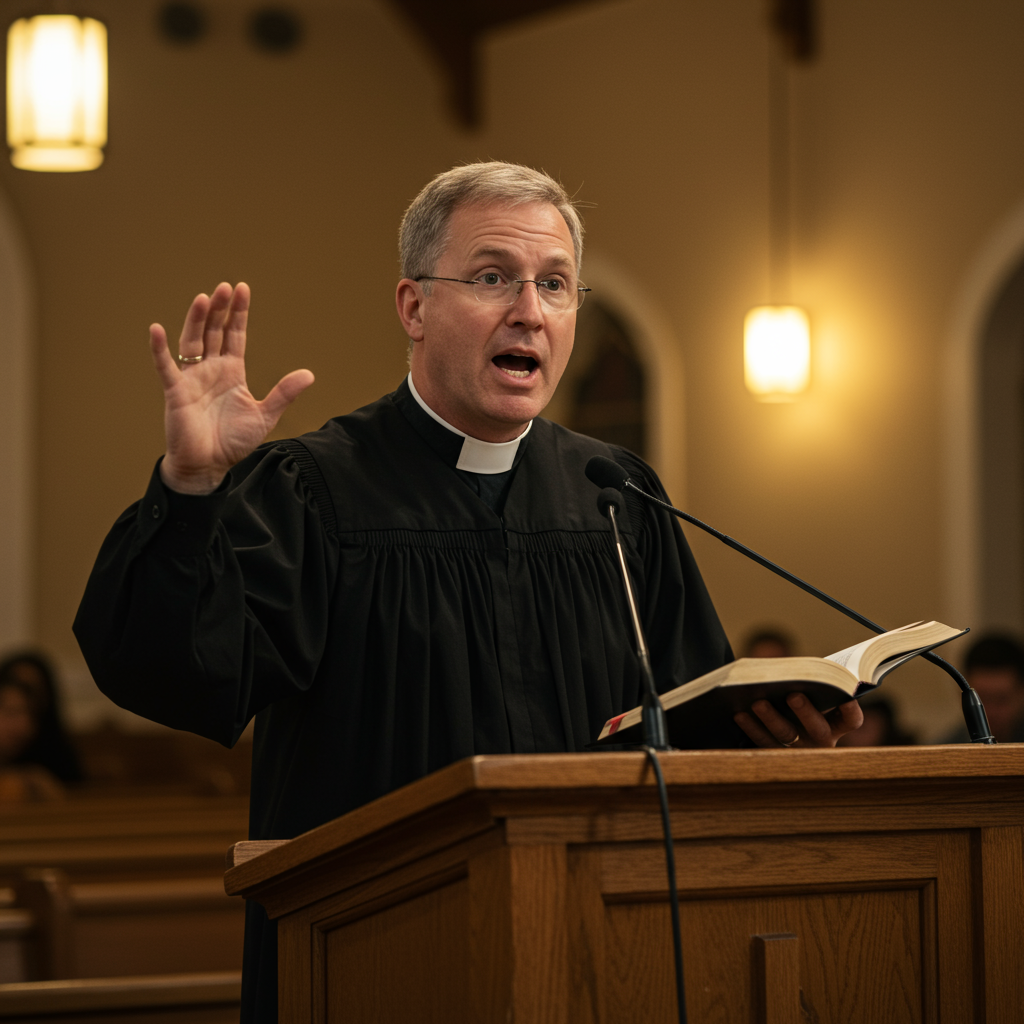
Genesis 32 gives us one of Scripture’s most mysterious and tender scenes: Jacob, left alone at the Jabbok, wrestling through the night until daybreak. This Genesis 32 teaching is not just about a man in a nighttime struggle; it’s about what happens when God brings us to the end of our strategies, our noise, and our cleverness—and meets us there with both wounding and mercy. At Ministry Prayer Life, we often pray with people who are in their own “Jabbok encounter,” and this story speaks directly into those long nights of the soul.
When the Noise Stops: Why Reckoning Comes in the Quiet
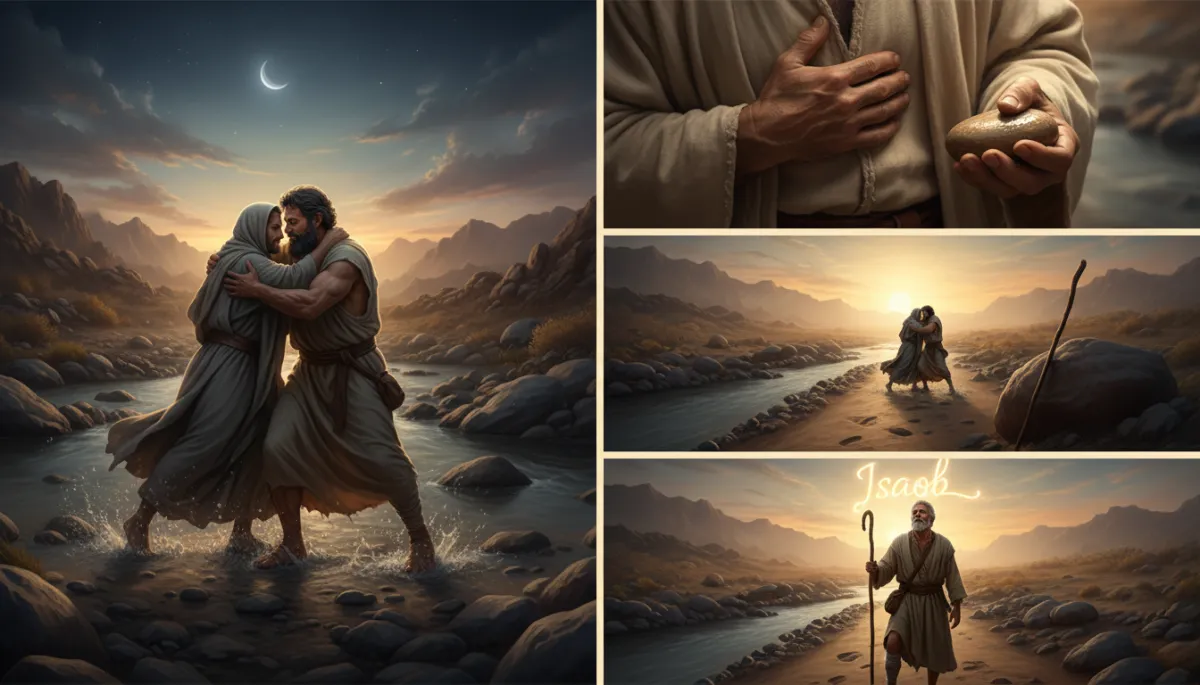
Jacob’s life had been noisy—full of movement, deals, and escape plans. He had outrun Esau, outmaneuvered Laban, and built a family and wealth along the way. But in Genesis 32, as he prepares to meet Esau again, the story slows down. Jacob sends his family and possessions across the river, and the text says simply, “So Jacob was left alone.” That is where the spiritual reckoning begins.
Many of us assume God will confront us while we’re busy—during the project, in the crisis, in the middle of our hustle. Yet often, as we see in this Jabbok encounter, the deepest reckoning arrives when the noise has finally died down. When the meetings are over, the family is asleep, the phone is silent, and we are left alone with our thoughts, our fears, and our history. That’s when the Lord often draws near, not to crush us, but to deal truthfully and tenderly with us.
💡 Gentle Insight: If you find yourself in an unexpected quiet season, it may not be abandonment. It may be invitation—God clearing space for a holy wrestling, a deeper faith and struggle conversation with Him.
At Ministry Prayer Life, we hear this often on our 24/7 prayer line. People call late at night, when distractions have faded, and suddenly old wounds, fears, and questions surface. The reckoning didn’t come during the busy day; it came when they were finally still enough to hear God asking, “Will you let Me meet you here?”
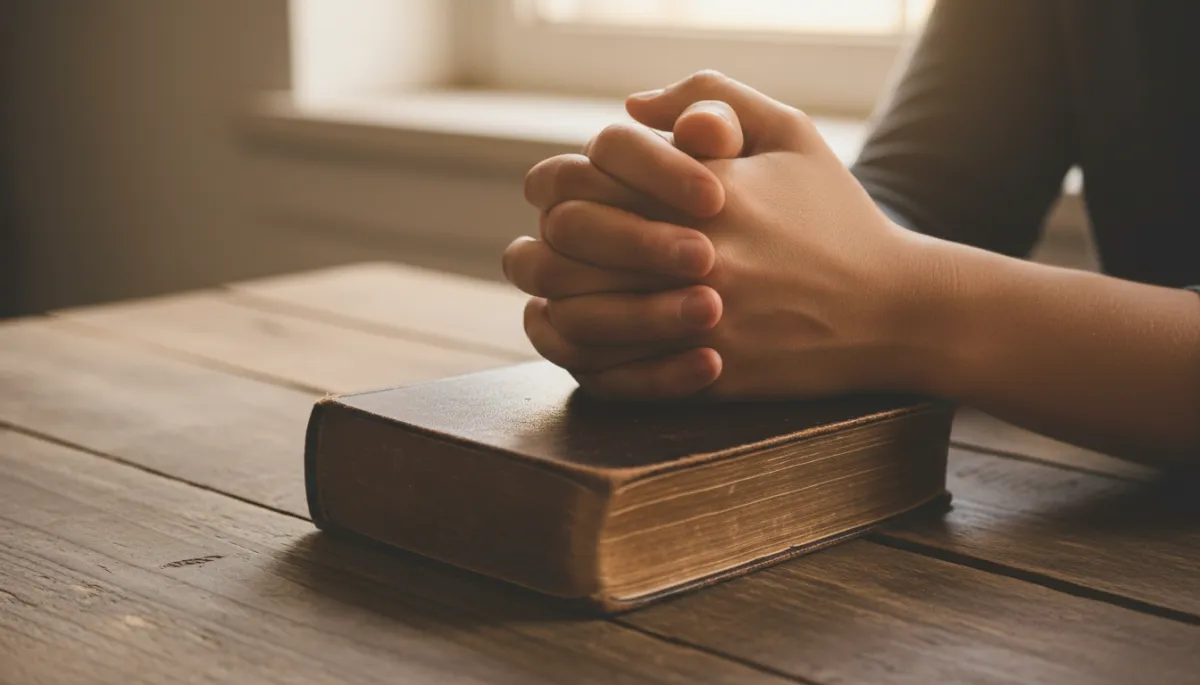
When the noise fades, buried questions and long-avoided prayers often rise to the surface.
Why God Stayed to Wrestle: Power That Chooses Proximity
The text describes a “man” wrestling with Jacob until daybreak. Later, Jacob understands that he has wrestled with God Himself. This is the heart of the Jacob wrestling story: a God who could have ended the encounter instantly instead chooses to stay in the struggle all night long.
We see His power when, with a single touch, He dislocates Jacob’s hip. Clearly, this was never an even match. So why the long night? Why the hours of grappling, sweat, and exhaustion when a single touch could have finished it? Because the point wasn’t domination; it was transformation. God was not trying to defeat Jacob; He was staying close enough, long enough, to change him.
Many of us wish God would simply “fix” things with one touch: remove the temptation, erase the fear, silence the doubt. But sometimes, in His love, He chooses to stay and wrestle with us instead. He walks with us through the questions, the tears, and even the resistance. The struggle is not evidence of His absence; it can be a sign of His nearness. In this Genesis 32 teaching, the long night is mercy—God refusing to leave Jacob unchanged.
📌 Key Takeaway: The God who can end the fight with one touch sometimes chooses to stay and struggle, because what He wants most is not your compliance, but your heart.

God’s nearness in the struggle reveals His desire to transform, not simply overpower.
“What Is Your Name?”: From Old Deception to Honest Confession
In the middle of the wrestling, the question comes: “What is your name?” On the surface, it seems unnecessary—surely the One wrestling Jacob already knows. But this question reaches back into Jacob’s story. Years earlier, when his blind father Isaac had asked, “Who are you, my son?” Jacob answered with a lie: “I am Esau.” His whole life had been marked by grasping, pretending, and outmaneuvering. Now, at the Jabbok, God brings him back to that moment of identity.
This is where the name change significance becomes powerful. Before God will give him a new name, Jacob must speak his old one honestly. “My name is Jacob”—the heel-grabber, the deceiver, the one who manipulates outcomes. This time, he doesn’t hide behind a false identity or a clever scheme. He stands in the dark and tells the truth about who he has been.
Many of us long for a new name—new reputation, new story, new future—but we resist the honest confession of what our old name has meant. In prayer, God sometimes asks us a similar question: “What is your name? Who have you really been?” Not because He doesn’t know, but because healing begins when we agree with Him about the truth. At Ministry Prayer Life, we often gently invite callers to name their fears, sins, and wounds out loud. The new name—beloved, forgiven, restored—comes after the honest one is spoken in God’s presence.
💬 Reflection: Where have you answered God’s questions with a polite half-truth or spiritual-sounding disguise? Your “Jacob moment” may be the place you finally say, “This is who I really am, Lord,” and let Him rename you.

Honest self-naming before God opens the door to receiving a new identity.
The Mercy of a Limp: When God Won’t Let You Out-Maneuver Grace
After the name is spoken and the blessing is given, Jacob does not walk away triumphant in the way we might expect. Instead, he limps. The very touch that revealed God’s power leaves a permanent mark on Jacob’s body. From that night on, every step will remind him of his weakness—and of the God who met him there. This is perhaps the most surprising mercy in the Jacob wrestling narrative.
Jacob’s lifelong problem had been his ability to outmaneuver his way free. He could scheme, manipulate, and escape nearly any situation. The limp is God’s loving refusal to let him go back to that way of living. It is as if God says, “I will bless you, but I will also keep you from running from Me the way you always have. I will leave you with a weakness that keeps you leaning on Me.”
Many of us carry our own “limps”—places of limitation, scars, or ongoing dependence. We may see them as curses, but through this Genesis 32 teaching we learn to see them as mercy. The limp keeps Jacob from trusting his own cleverness. In the same way, the things that keep you from being self-sufficient may be the very things that keep you close to God. Your weakness can become the doorway to a deeper life of prayer, humility, and reliance on grace.
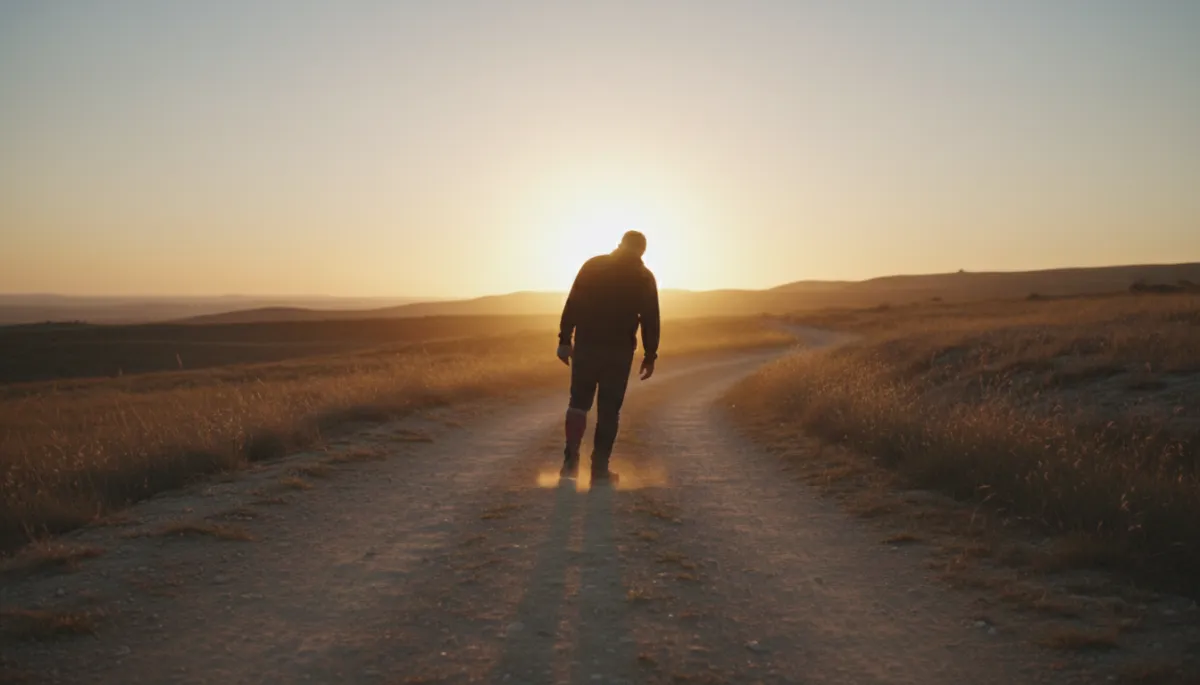
Some wounds become lifelong reminders that God’s strength is made perfect in weakness.
Living Our Own Jabbok Encounter Today
Jacob’s night at the Jabbok is not just ancient history; it is a mirror for our own journeys of faith and struggle. We, too, are brought to quiet places where the noise stops and God gently insists on dealing with us. We, too, experience seasons where God could end the struggle instantly, yet chooses to stay and wrestle so that we might be changed, not just relieved. We, too, hear Him ask, “What is your name?”—inviting us out of pretense into truthful confession. And we, too, may walk away with a limp, discovering that our limitations are not punishments, but mercies that keep us close to Him.
If you find yourself in a Jabbok season, you don’t have to face it alone. Ministry Prayer Life exists to stand with you in that long night—to listen, to pray, and to remind you that God is not afraid of your wrestling. He is willing to stay until daybreak. You can call our 24/7 prayer line or submit a prayer request at any time; someone will be there to lift you up, speak hope, and help you discern what God might be doing in your present struggle.
🙏 Invitation: If you’re weary from wrestling, reach out. Call our round-the-clock prayer line, share your story, and let us walk with you as you seek God’s blessing, His new name for you, and the mercy hidden even in your limp.
Perhaps your next step is to volunteer, helping others through their own Jabbok nights; or to donate, so that this ministry of prayer and pastoral outreach can continue to be accessible to anyone in need. However you respond, remember: the God who met Jacob in the dark still meets His people today. He is present in your Jabbok encounter, ready to turn your long night of wrestling into a dawn of blessing, a new name, and a different way of walking with Him.