Gleaning Law: Faith, Ruth, and Outreach Ministry
Faith, Gleaning Law, Ruth and Boaz, Outreach Ministry
The Gleaning Law, the Field of Boaz, and the Dignity of Earned Provision
What does an ancient law about unharvested grain have to say to homeless outreach, prison ministry, and modern followers of Jesus? More than we might think. The gleaning law of Leviticus 19 and the story of Ruth and Boaz reveal a God who cares not only that people are fed, but also how they are fed—and what happens in the heart of the giver and the receiver in the process.
The Gleaning Law of Leviticus 19: Leaving the Edges
In Leviticus 19:9–10, God commands Israel’s landowners: “When you reap the harvest of your land, you shall not reap your field right up to its edge, neither shall you gather the gleanings of your harvest. And you shall not strip your vineyard bare…you shall leave them for the poor and for the sojourner: I am the Lord your God.”
God could have told landowners to harvest everything, bag it up, and hand it out. Instead, He designed a system where the edges remained and the poor were invited to come and work behind the reapers. This was not an oversight; it was intentional discipleship in economic form. The gleaning law protects at least three things:
Dignity: The poor are not only recipients; they are workers, contributors, image-bearers capable of effort and stewardship.
Responsibility: Landowners must structure their success so that others can access provision without being shamed or controlled.
Relationship: The field becomes a place where the wealthy and the vulnerable see each other, not a distant warehouse where anonymous charity is dispensed.
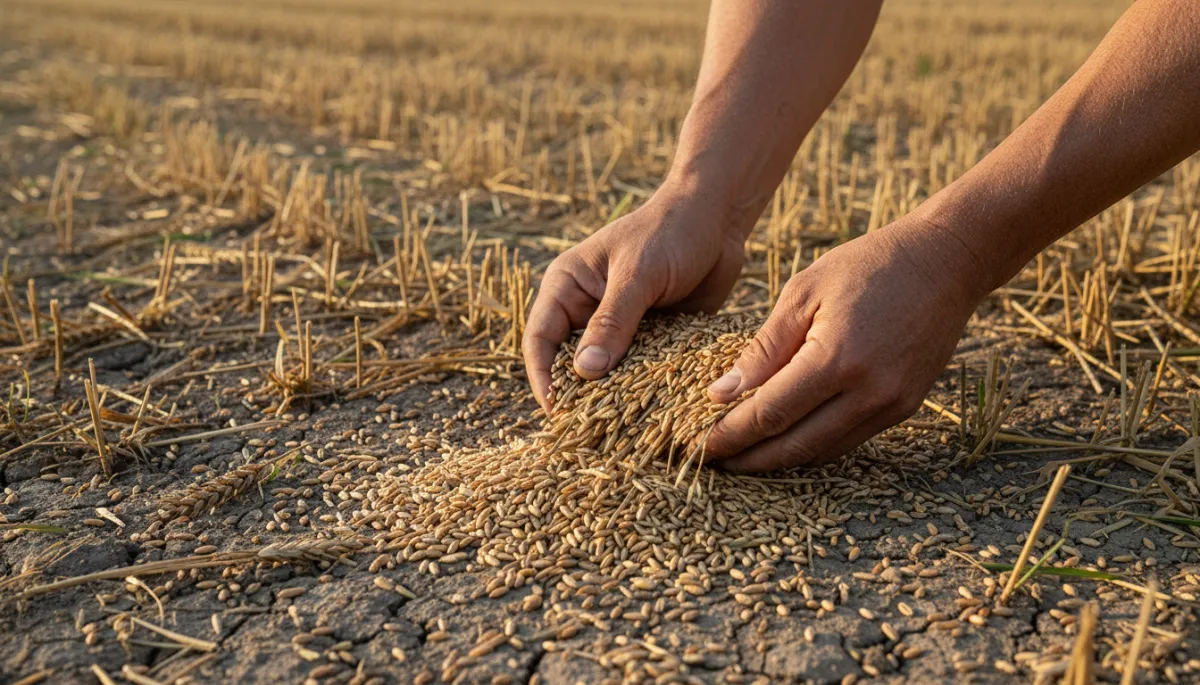
Gleaning joins God’s provision with human effort, protecting both food and dignity.
Ruth and Boaz: A Living Picture of Leviticus in Action
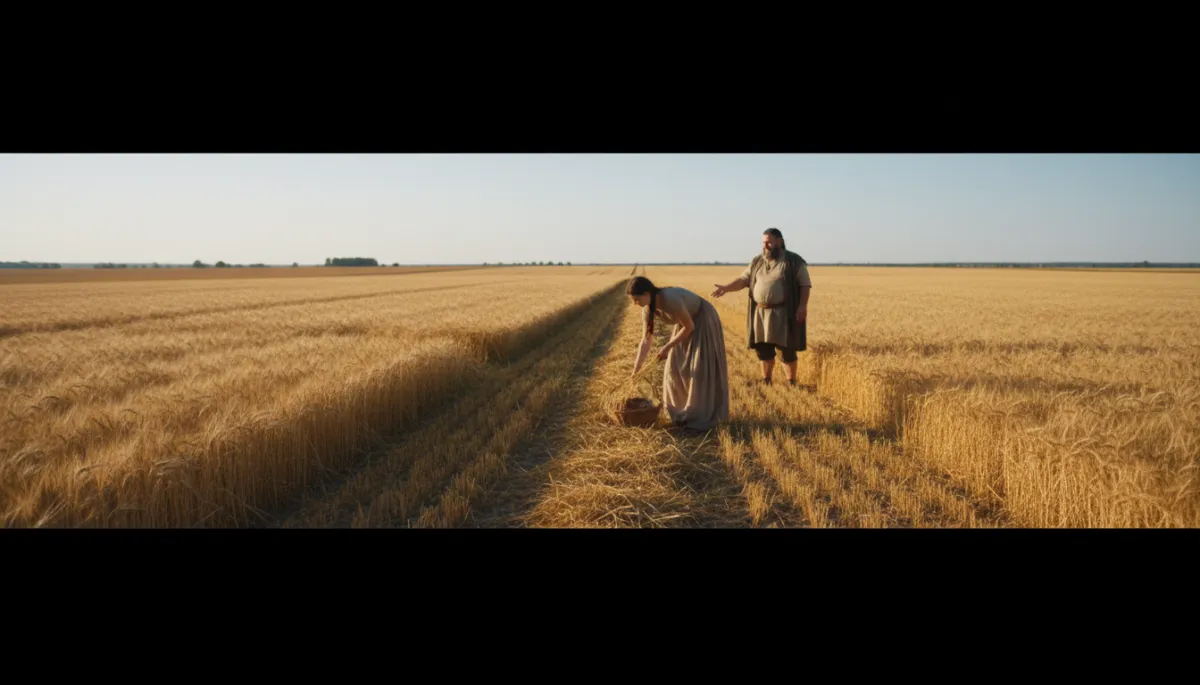
Ruth 2 shows us what this law looks like in real life. Ruth is a foreign widow, poor and vulnerable. She asks Naomi’s permission to go and glean “behind him in whose sight I shall find favor.” She is not asking for a handout; she is asking for access to a field where she can work according to God’s design.
Boaz, a landowner who knows the Law, does several deeply practical things that honor both God and Ruth. These details are vital for ministries like Ministry Prayer Life, where we seek to serve people in crisis without crushing their sense of worth.
1. He Provides Safety
Boaz tells Ruth, “Have I not charged the young men not to touch you?” (Ruth 2:9). Gleaning law without safety would be cruel. Boaz understands that access to opportunity must be paired with protection from abuse, harassment, and exploitation. In modern homeless outreach and prison ministry, safe spaces—physically, emotionally, and spiritually—are non-negotiable. People cannot rebuild their lives in environments of fear.
2. He Removes Friction and Barriers
Boaz invites Ruth to stay close to his servant girls and to drink from the water the workers have drawn. He does not make her prove herself with endless paperwork, hoops, or humiliation. He removes unnecessary friction so that her energy can go toward productive work, not navigating a maze of obstacles. When Ministry Prayer Life connects with someone leaving prison or living on the street, one of the greatest gifts we can give is clear, simple access to help—without shaming questions or impossible conditions.
3. He Increases the Harvest, but Still Lets Her Work
Boaz quietly instructs his men to pull out some stalks from the bundles and leave them for Ruth on purpose (Ruth 2:15–16). He is generous beyond the letter of the law, but notice what he doesn’t do: he doesn’t harvest her grain for her. Ruth still bends, gathers, carries, and threshes. Her arms ache. Her sweat mingles with God’s provision. Mercy is abundant, but it is not passive. This is the heart of earned provision—God and His people supply opportunity, but the person participates in their own restoration.
4. He Protects Her from Public Embarrassment
Boaz tells his workers not to rebuke or shame her. Ruth is not paraded as “our charity case.” She is simply another worker in the field. In ministry, it is possible to meet material needs while wounding someone’s soul by how we talk about them, post about them, or look at them. The gleaning law, lived out by Boaz, insists on quiet honor—help that does not humiliate.
Boaz models leadership that protects, honors, and quietly amplifies God’s provision.
Handed-Out Help vs. Earned Provision
In homeless outreach and prison ministry, we often see the difference between handed-out help and earned provision. Both may put food on the table, but they do very different things inside a person’s heart.
Handed-out help is sometimes necessary in crisis. A person just released from prison with nowhere to sleep tonight needs immediate mercy. A mother on the street in winter needs a blanket now, not later. But when all help is only ever handed out, something subtle can break: a sense of agency, hope, and identity. People begin to see themselves only as needy, not as capable, called, or gifted.
Earned provision, rooted in the gleaning law, says: “You matter enough to be invited into the work.” In prison Bible studies, when men and women are asked not just to receive teaching but to lead prayer, share insight, or mentor others, their posture changes. Shoulders lift. Eyes brighten. They are no longer only consumers of ministry; they become co-laborers in God’s field. In homeless outreach, inviting someone to help set up chairs, sweep, or serve others can awaken a long-buried sense of purpose. The food is the same, but the process is transformed.
💡 Ministry Insight: Mercy that includes meaningful participation often brings deeper healing than mercy that only hands things out. The gleaning law shows us how to combine compassion with calling.

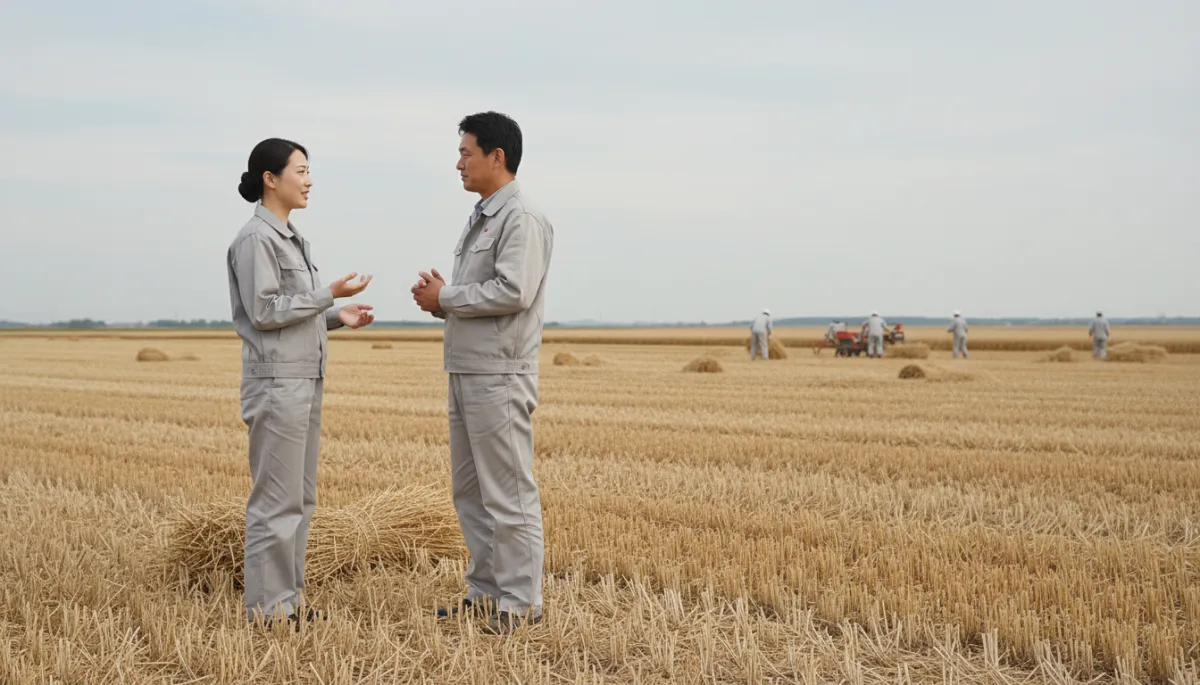
Shared work turns recipients into partners, echoing the spirit of gleaning in modern outreach.
What the Law Asks of Anyone Who Owns a Field Today
Most of us do not own literal grain fields, but many of us own some kind of “field”: a business, a paycheck, a home, a schedule, a skill set, or a ministry platform. The gleaning law still speaks:
Leave the edges: Build intentional margin in your resources so that others can access provision. Not every dollar, hour, or opportunity must be maximized for yourself.
Invite participation, not just consumption: Look for ways to involve people in the work—especially those who feel disqualified by their past, poverty, or pain.
Protect dignity: Give in ways that protect privacy, avoid public embarrassment, and communicate respect.
Combine generosity with safety: Make sure your “field” is a safe place—emotionally, spiritually, and physically—for those who come to glean.
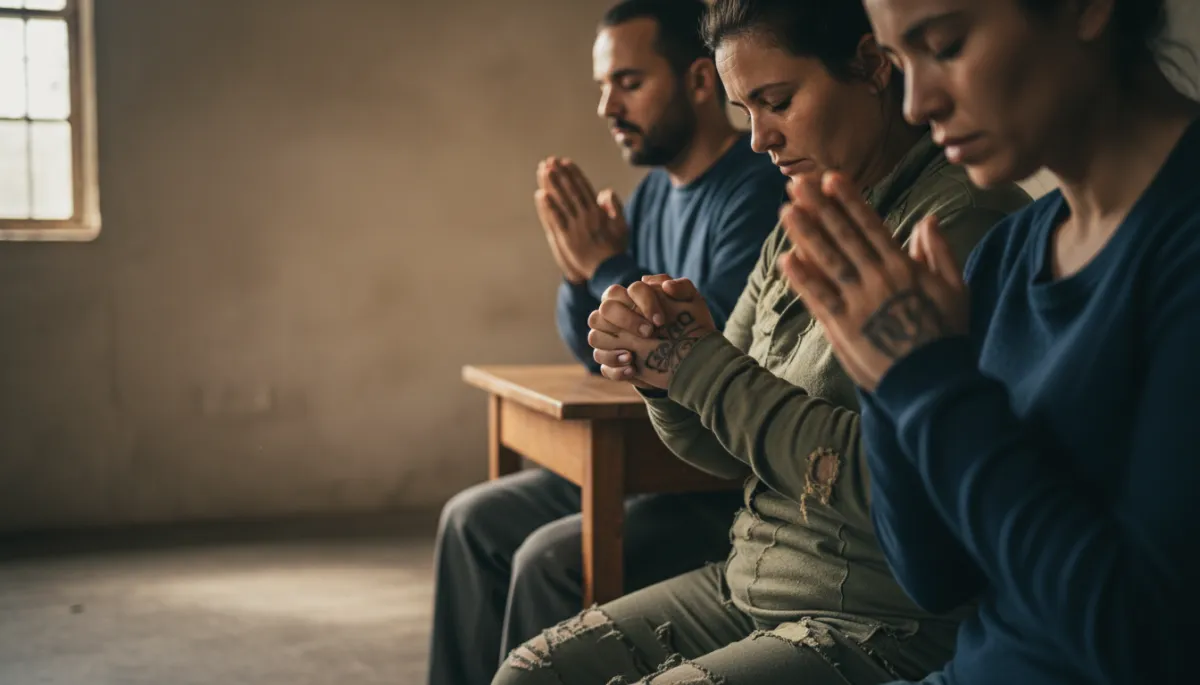
Every home, business, and ministry can become a modern field where grace is gleaned.
What It Says to Anyone Currently in the Field
If you feel like Ruth—starting over after loss, walking into unfamiliar places, or trying to rebuild life after incarceration or homelessness—the gleaning law speaks to you too. God does not only see you as a need to be met. He sees you as a worker in His harvest, someone capable of receiving and contributing, someone whose story is not over.
Your effort matters, even when it feels small. Each step of obedience—showing up to a meeting, joining a prayer call, taking a job, serving someone else—echoes Ruth bending to pick up one more stalk. God is already at work behind the scenes, like Boaz quietly instructing his workers to leave more grain for you than you realize. You are not an interruption to the field; you are part of the story God is writing there.
Walking This Out with Ministry Prayer Life
At Ministry Prayer Life, our heart is to live out this gleaning vision—to offer prayer, pastoral care, and practical connection in ways that honor both God’s generosity and people’s dignity. Whether you are reaching out from a prison cell, a shelter, a hospital bed, or a quiet living room, you are not alone in the field. We are here to walk the rows with you, to pray, to listen, and when possible, to help remove the friction that keeps you from the opportunities God is placing in front of you.
If you own a “field” of any kind, ask the Lord how you can leave the edges for others. If you are gleaning right now, ask Him for strength to keep bending, keep gathering, and keep believing that your story, like Ruth’s, is moving toward redemption. And if you need someone to stand with you in prayer as you do, we invite you to call our 24/7 prayer line, submit a prayer request, volunteer, or partner with us financially so that together we can see many more lives restored in God’s generous fields.