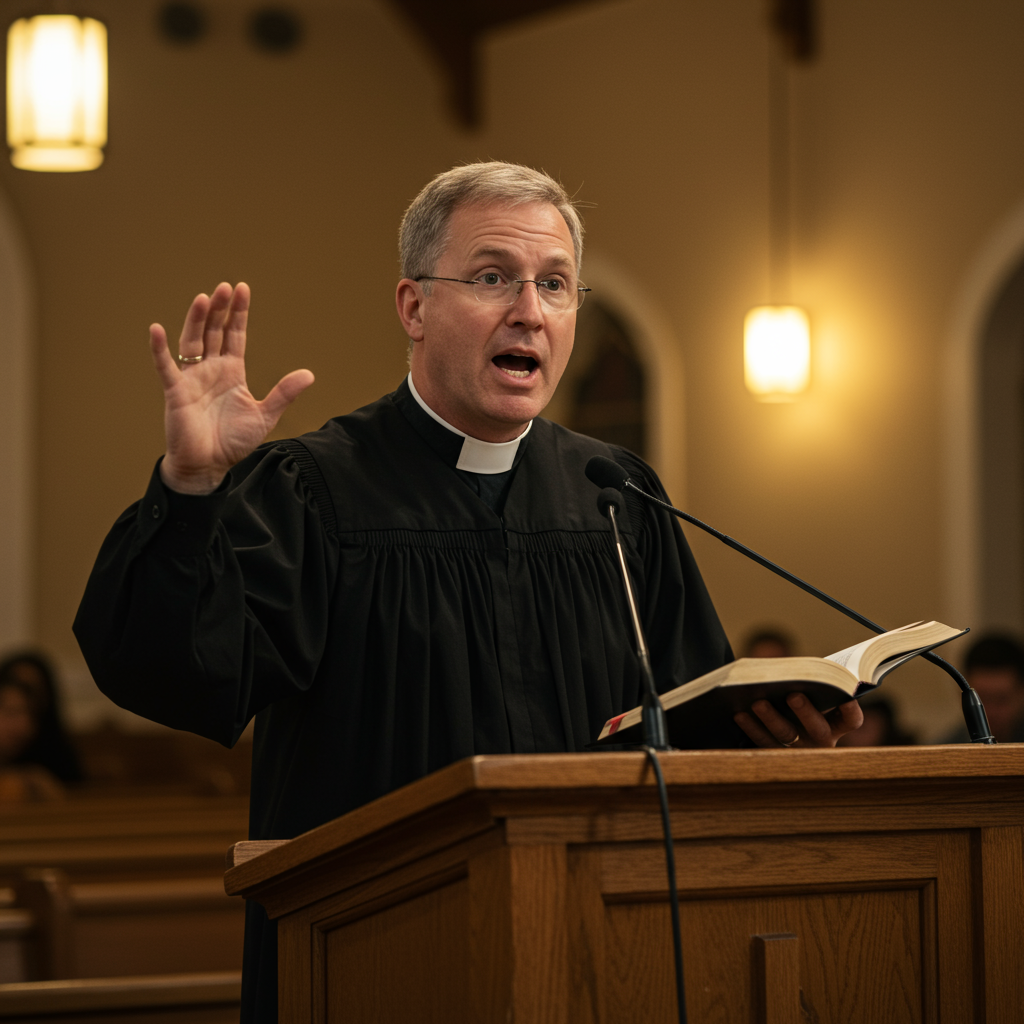
Unforgiving Servant: Forgiveness in a Digital Age
Unforgiving Servant, Forgiveness Teaching, Grace And Mercy, Debt Forgiveness, Spiritual Imprisonment, Pastoral Care, Ministry Prayer Life
The Unforgiving Servant in an Age That Never Deletes
In a world where every post, comment, and email can live forever, the parable of the Unforgiving Servant in Matthew 18 speaks with fresh urgency. For nonprofits, churches, and community ministries, learning to live forgiveness in a “never delete” culture is not optional—it is core to faithful presence and healthy relationships.
A Debt So Large It Can Only Be Called Grace
In Jesus’ Forgiveness Teaching, the first servant owes a debt so enormous that no lifetime of work could ever repay it. Jesus is deliberately exaggerating. He wants us to feel the weight of a spiritual reality: the debt God forgave us dwarfs anything owed to us. Our failures, selfishness, and quiet resentments before a holy God are not minor bookkeeping errors; they are an unpayable balance we could never clear on our own.
For nonprofits and communities, this perspective changes everything. We are not “good people who occasionally slip up.” We are forgiven people who live, serve, and lead only because of Grace And Mercy. When boards disagree, volunteers disappoint, or donors walk away, the emotional debt can feel huge. Yet, compared to the cross, it is a “hundred-denarii” debt—a real hurt, but not the defining story. The defining story is that God has looked at us in Christ and said, “Your account is cleared. You are free.”

Remembering God’s cleared ledger reframes every conflict and offense we carry.
How Unforgiveness Becomes a Quiet Prison Cell
The Unforgiving Servant grabs his fellow servant by the throat and demands repayment. Ironically, the one who has just been released now acts like a jailer. In the end, he himself is handed over to the jailers. Jesus is showing us a painful truth: unforgiveness creates Spiritual Imprisonment for the one who keeps it.
In ministries like Ministry Prayer Life, we often hear it in people’s voices: the story they can’t stop retelling, the name they can’t say without tension, the board decision that still stings years later. The offense is real, but the ongoing captivity is often self-imposed. Unforgiveness keeps the wound open. It ties our emotional health to what someone else did—or never apologized for. We replay the moment, rehearse the speech we’ll give “someday,” and in doing so, we lock ourselves into yesterday’s pain.
💡 Pastoral Care Insight: When a team, congregation, or nonprofit culture normalizes bitterness, it quietly trades its mission for managing old hurts. Forgiveness is not a side issue; it is a freedom issue.
Forgiveness Is Not Amnesia: A Pastoral Clarification
Many people resist forgiveness because they think it means pretending the harm never happened. In an age where emails, screenshots, and records preserve every misstep, “just forget it” sounds dishonest and unsafe. Pastoral Care must be clear: forgiveness is not amnesia. It is a decision, empowered by God, about what we will do with what we remember.
Forgiveness releases the right to revenge; it does not erase the facts.
Forgiveness may restore relationship, but sometimes it simply restores inner peace while healthy boundaries remain.
Forgiveness can coexist with wise policies, accountability, and protection for the vulnerable.
For leaders of nonprofits and communities, this distinction matters. You can forgive a staff member and still adjust responsibilities. You can forgive a partner organization and still decide not to renew a risky collaboration. You can forgive a harmful leader and still cooperate with appropriate investigation or discipline. God’s Debt Forgiveness of us does not mean He forgets what is true; it means He chooses not to hold it against us as the final word.

Forgiveness remembers wisely but refuses to let the past define every decision.
Grace Received: The Only Fuel for Grace Given
When the master confronts the Unforgiving Servant, his question goes to the heart: “Shouldn’t you have had mercy on your fellow servant just as I had on you?” The expectation is not generic kindness. It is grace that flows from grace. In God’s design, the only sustainable fuel for forgiving others is the awareness of how deeply we have been forgiven ourselves.
This is where many well-meaning organizations struggle. We try to build forgiving cultures on personality, policies, or positive thinking. But when the hurt is deep, only a heart soaked in God’s mercy can genuinely release someone else. The cross is not just a doctrine; it is the ongoing power source for every act of mercy in boardrooms, staff meetings, and neighborhood outreach.

Communities steeped in prayer draw daily on God’s grace to extend grace to others.
Walking This Out in Your Ministry or Community
For nonprofits, churches, and neighborhood groups, the parable of the Unforgiving Servant invites some practical steps:
Build regular reflection on God’s Grace And Mercy into meetings and gatherings, not just crises.
Normalize honest conversations about hurt, with clear pathways to seek reconciliation and, when needed, healthy boundaries.
Offer Pastoral Care—through prayer lines, mentoring, or counseling—for those stuck in Spiritual Imprisonment because of long-held resentment.

Gentle conversations and prayer support can unlock hearts trapped in long-held resentment.
At Ministry Prayer Life, our calling is to stand with you in this journey. If your heart, team, or community feels weighed down by old debts and unresolved pain, you do not have to walk it alone. Call our 24/7 prayer line, submit a prayer request, volunteer, or donate to support this work of Grace And Mercy. Together, we can become communities where forgiven people really do forgive—and where no one has to live in a prison of unforgiveness anymore.