What the Street Teaches You About the Gospel
Friday, June 12 — Ministry Prayer Life
TITLE:
What the Street Teaches You About the GospelBODY:
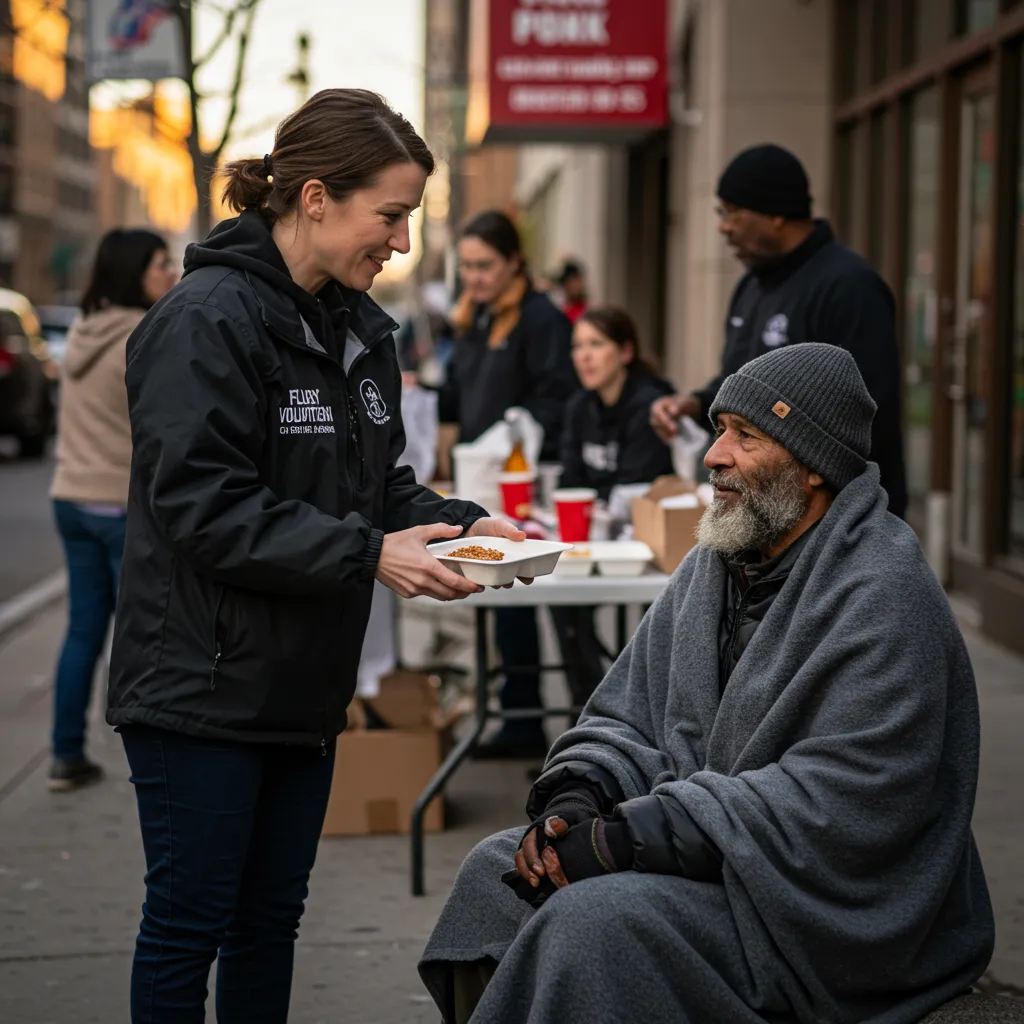
There's a theology you can't learn in a seminary classroom. It requires sitting on a curb next to someone who hasn't eaten since yesterday, or standing in a parking lot handing out food to people the city has decided not to see. Homeless outreach has a way of stripping the abstraction out of faith and leaving you with the thing itself.
I want to share some of what the street has taught me about the gospel — because I think it's something the church needs to hear.
Need Is Not a Disqualifier
The dominant cultural narrative around poverty is that it is largely self-inflicted. That message has seeped into the church more than we want to admit. There's a quiet assumption in some corners of Christian culture that the truly deserving poor are rare — that most people on the street made choices that brought them there, and the ministry task is transformation before compassion.
That is not the gospel. It is not even close.
Jesus fed the five thousand before He preached to them. He healed before He called. He touched the leper before He said a word. The order matters. Presence and provision are not rewards for demonstrated worthiness — they are expressions of love that precede and create the conditions for transformation.
When you sit with someone who has nothing and give them something without a sermon attached, you are doing what Jesus did. The fruit of that encounter often comes later, quietly, in ways you'll never see.
Dignity Is Ministry
One of the most impactful things I've learned in homeless outreach has nothing to do with what we hand out. It's in how we hand it out.
A man who has been invisible to the world for long enough starts to feel like he is invisible to God. Eye contact. Using someone's name. Asking how they're doing and waiting for the actual answer — these are not peripheral acts of courtesy. They are declarations that the person in front of you is made in the image of God and is therefore worth the full weight of your attention.
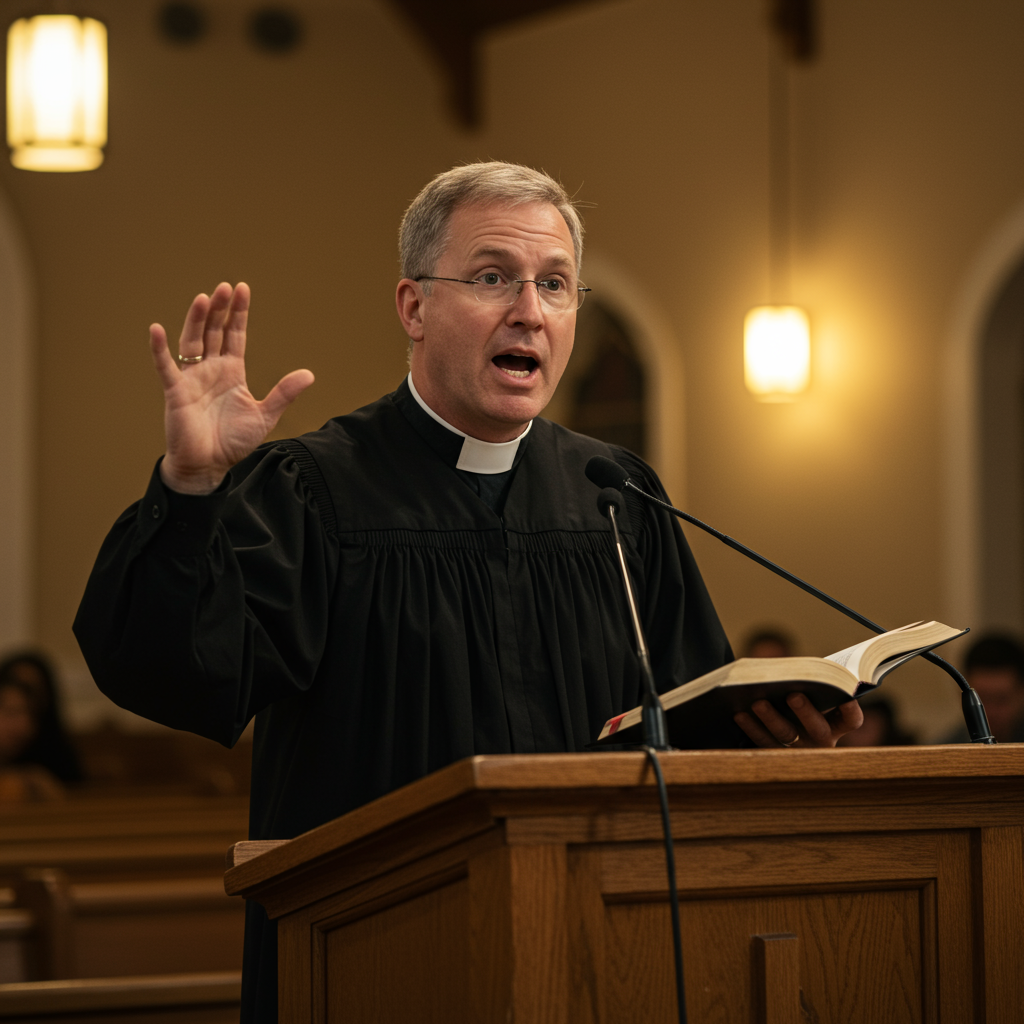
James 2:1–4 warns against treating people differently based on their appearance or social standing. The church was being told — by God, through the Apostle — that how you treat the person at the margins is inseparable from your faith. It was not an auxiliary concern. It was a test of the thing itself.
Dignity is ministry. It is some of the most important ministry there is.
The Street Keeps You Honest
Something happens to faith when it exists only inside comfortable settings. It becomes theoretical. The edges get soft. You start talking about the poor in the abstract and the gospel in the passive.
The street does not permit that. When you're standing with someone who is sleeping outside tonight and you've just prayed with them, you cannot leave with platitudes. You have to grapple with what you believe and what that belief requires of you. The street keeps your theology accountable.
That accountability is a gift, even when it's uncomfortable. Especially when it's uncomfortable.
Proverbs 19:17 says, "Whoever is kind to the poor lends to the Lord, and he will reward them for what they have done." That is not a motivational verse about generosity. It's a statement about where God's attention is. He takes the treatment of the poor personally.
An Invitation
If you've been feeling a pull toward outreach — toward the street, toward the margins, toward the people the world has moved on from — don't dismiss that. That pull is not accidental. It's worth exploring.
If you're already in it, keep going. The work is hard and the returns are often invisible. But you are partnering with a God who sees everything — including what you do in the dark and the cold and the forgotten places where no one is watching.
Connect with us if you want to talk about what street outreach looks like practically, or if you want to pray together for the work. We'd be glad to hear from you.