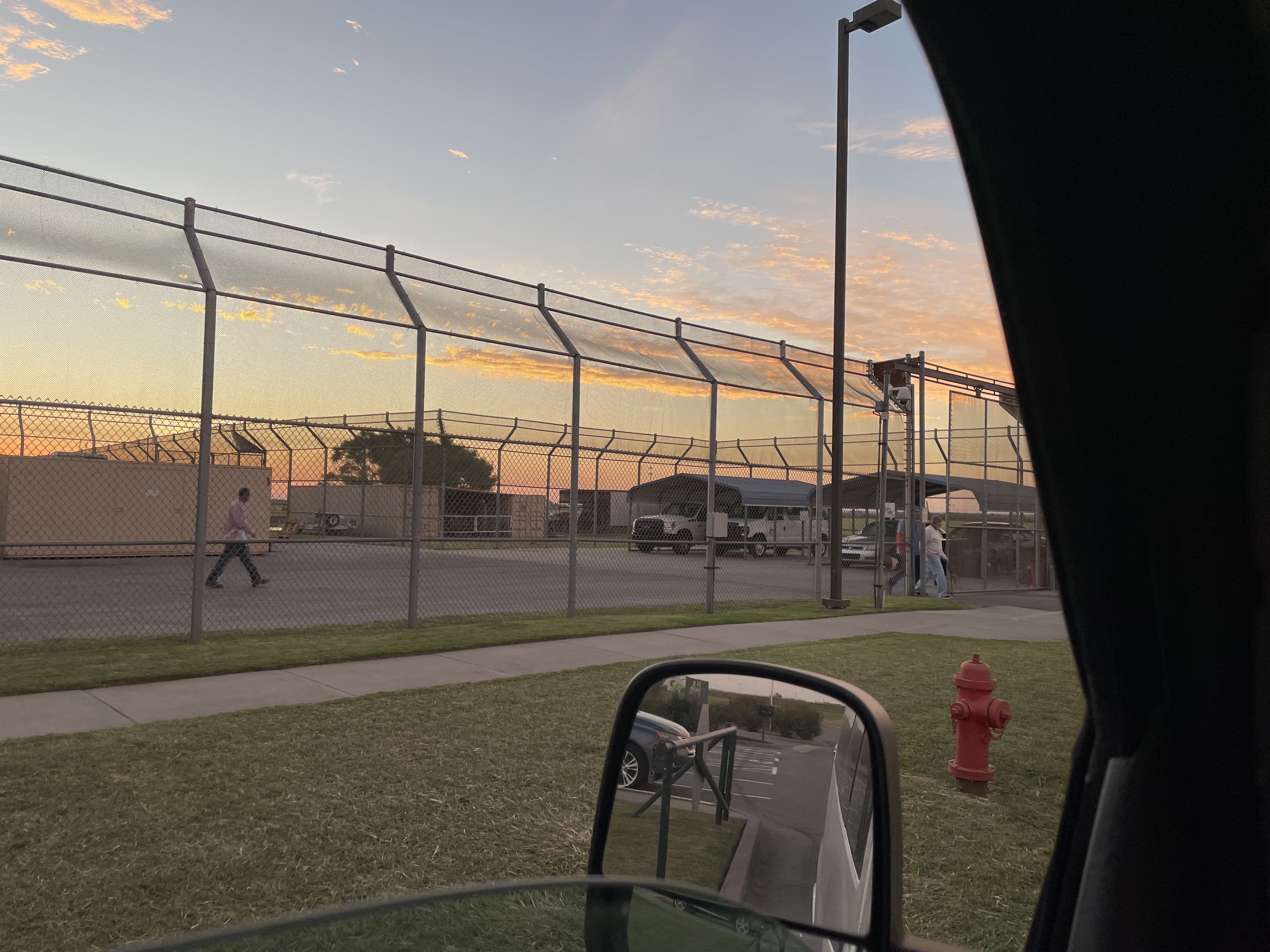
JAMES 5:16
"The effective, fervent prayer of a righteous man avails much."
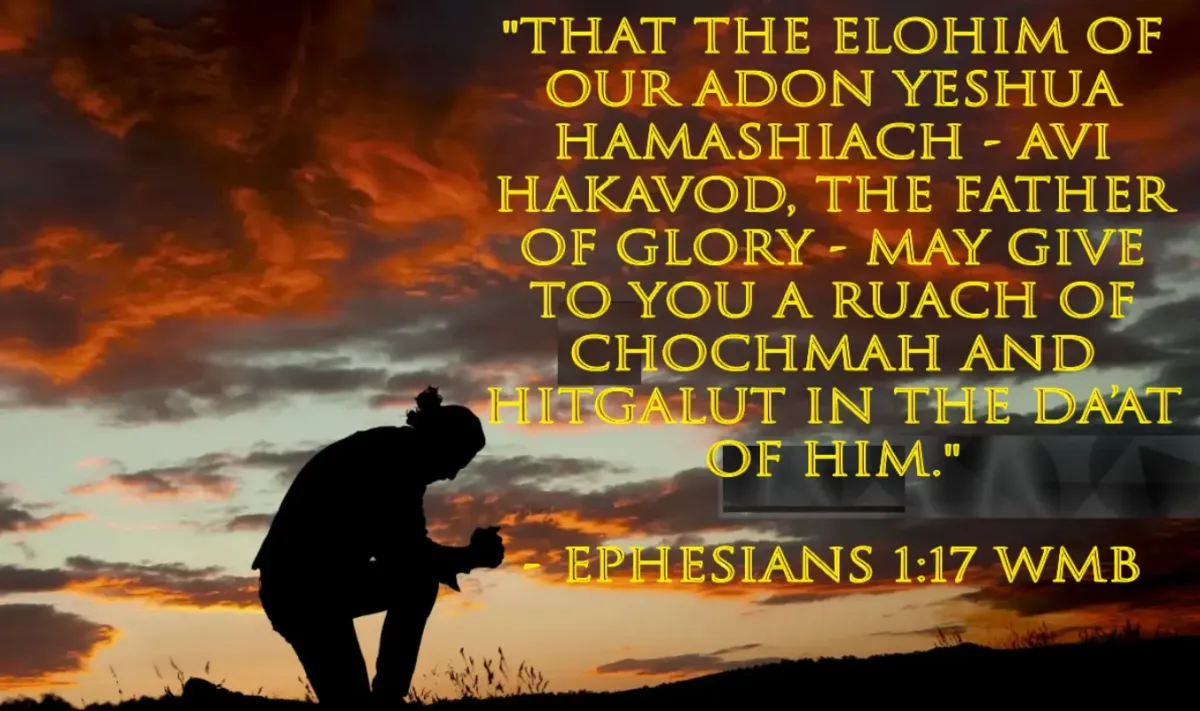
WHY THE PRAYER MINISTRY EXISTS
I did not build this prayer ministry from a place of having
it all together.
I built it from a place of needing it myself.
Prayer is the only thing that gets me through some seasons,
and I am not too proud to admit that.
Out of that place,
I knew there had to be others standing exactly where I was
— knowing they needed to pray, not knowing how.
Embarrassed to try.
Afraid to fail.
Carrying things they could not put words to.
I had to learn how to pray.
It is not something you just pick up.
Today's world does not teach us how to pray.
There is no shame in that
— but there does need to be a place that meets you there.
So I built this one.
For you, if that is where you are.
Send me a message.
Send the form.
Call the hotline.
Talk to Queen Esther on the phone or to King David in chat
— both autonomous prayer companions I named after biblical figures I admire.
Esther will not laugh at your name.
David will not shame you.
There is no embarrassment here.
There is no test you can fail.
You are not undignified because you do not know the words.
I am here to be the voice in the room until you find yours.
I am setting aside time every day to take one-on-one prayer calls
— four or five a day, person to person, no filter, no script.
If you need someone to pray with you,
I am that person.
That is the mission.
That is why the prayer hotline exists.
That is why this site exists.
That is why the form is on every page.
To get you, exactly where you are,
into the comfort zone of prayer that God is calling each of us into.
— Pray without ceasing. — 1 Thessalonians 5:17, WMB
He Directed the Steps.
Whether you need prayer, have a question, or just need
someone to stand in the gap with you — I'm here.
This is not a contact form. This is an open door.
Calling for Service.
Serving across Oklahoma — In a statewide capacity to the streets of Oklahoma City — advocating for prison ministry, volunteering in homeless outreach with Ice Angels, and a 24/7 prayer line answering at (833) 902-2437
Ice Angels stages from Mosaic of OKC every Wednesday at noon — meals when it matters, conversation when nobody else stops, prayer at the curb when somebody needs it more than a sandwich. The prayer line runs around the clock alongside the street work, because through prayer all things can be accomplished.
As a pastor and a Messianic believer, I want the world to see
that Yeshua HaMashiach lives in me — and can in you too. This
is not something I do on the side. This is who I am and what
God has called me to do. I will not stop.
To live that calling, I needed work that moved around it — not
work that blocked it. So I built Curb Elite Solutions LLC.
Every cleanout we ran, every load we hauled — anything in good
condition went straight to homeless charities. The business
was feeding the mission.
Then my truck went into the dealership. Bills do not stop
because your truck does. I sat down. I studied. I trained.
I became an Anthropic-certified AI Architect. And I built
Bot-Brand — an AI infrastructure agency I can run from
anywhere. No truck required.
I am not asking for charity. I am asking for the chance to work.
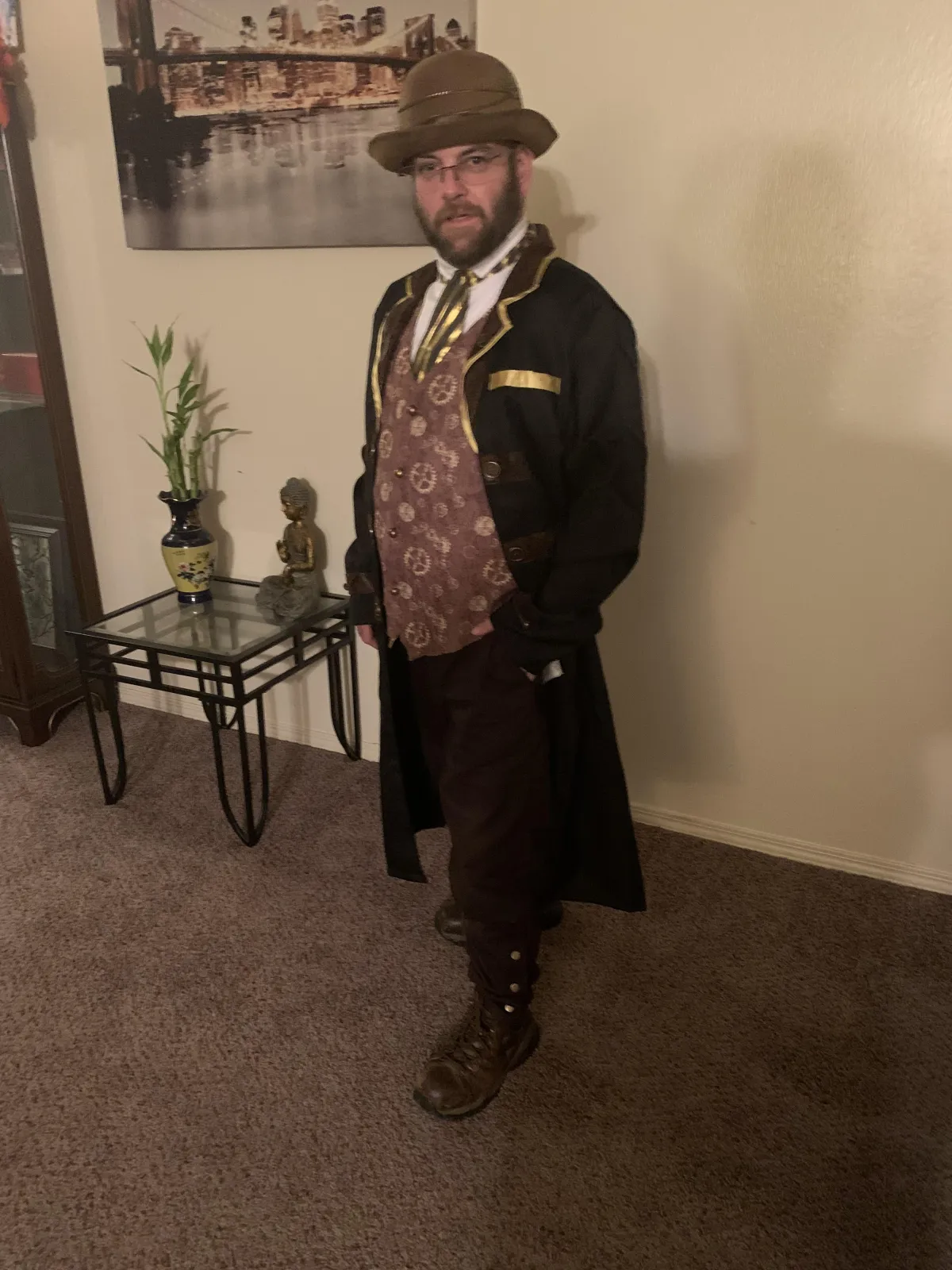
Pastor | Prison Ministry Advocate | Homeless Outreach Volunteer |
Ministry Prayer Life — meeting people - standing in the gap -
praying with them along the way
Anthropic AI Certified | Founder, Bot-Brand AI Automation Agency
Owner, Curb Elite Solutions LLC | Oklahoma City, OK

Add a TiACTIVE MINISTRYtle Here
Ice Angels
of Mosaic OKC
This is a ParICE ANGELS — OKC HOMELESS OUTREACH
Founded by Mary and Lenny Kaplan
Ice Angels was founded by Mary and Lenny Kaplan —
a husband-and-wife calling to feed the people the city forgets.
Mary is the name. Mary is the one who runs everything. She is the queen of this work,
and the work has never moved an inch without her at the center of it.
Before Lenny was the man who handed me a ladle on a gravel lot in Oklahoma City,
he was something else entirely. Lenny was Navy.
Lenny was — in his own words — "a gangster in his own right" back in the 1980s.
But not the kind of gangster you see on television.
Lenny was a Robin Hood.
He was breaking the law to do right by people who had been left for dead.
When the AIDS crisis was first being understood in this country, medications that worked were available in Europe and not yet approved in the United States.
People here were dying.
Lenny went overseas, brought the medications back, and put them into the hands of people who needed them.
He never stole from a working man.
He never took from someone who had earned what they had.
The ones Lenny worked around were the ones who had turned their nose at the rest of society
— who had decided they were too good to ever be one step away from the street like the rest of us.
Lenny lived his whole life refusing to forget that truth:
every one of us is only one step away from being on the street, sitting in the same position as the people we now serve.
Some of them chose that road. Some of them did not. Either way, they get fed. Either way, they get the dignity of being seen.
That was Lenny Kaplan.
The man I met decades later was the same man — still running toward the people the rest of the world had decided to leave behind.
Just with a food trailer this time instead of a duffel bag.
How I Got There
I came into Ice Angels through my mentor, Tony Zohn
— an important and influential man in his own right who has since gone home to be with the Lord.
Tony introduced me to Lenny, and Lenny and I bonded the way two chefs bond
— over kitchens, over long nights, over the kind of hands that learn how to feed a room.
I am a chef. He was a chef. That was the door.
I served alongside Mary and Lenny for about many years.
Lenny was in his seventies when I met him.
We cooked together. We served the line together.
I drove the van and pulled the food trailer to wherever we were setting up that day.
Mary sorted and organized every donated piece of clothing into tubs and buckets — men's, women's, sized, folded, ready.
She still does. She always has.
Lenny fought cancer five times in the years I knew him.
Five separate rounds. He beat it the first four.
The fifth one took him home. But every round he beat, he came back to the trailer, back to the kitchen, back to the people on the street.
He did not run from disease.
He ran toward the next meal, the next prayer, the next man or woman who needed someone to look them in the eye and say, I see you. Eat this.
God has not forgotten you.
That is the man Mary married.
That is the man I served beside.
That is the man whose food trailer still rolls every Wednesday — because it still rolls it.
Where The Name Came From
Ice Angels did not start as it is now, and the name itself was not chosen by Mary and Lenny.
They did not sit at a kitchen table picking out a brand.
They were just driving around Oklahoma City in 100-degree summer heat, handing out bottles of water
— as cold as they could get them — to people sleeping on the streets.
People sick from the heat. People throwing up in the sun.
People dehydrated to the point of collapse on the same asphalt the rest of us were passing without seeing.
And the people they served, looking up from the curb with a cold bottle pressed into their hands, would say things like, "Oh my goodness. You're an angel. You're an ice angel."
That is how the ministry got its name.
It was not branded.
It was bestowed.
The people on the streets named the two people who finally stopped to bring them cold water.
That name has carried the work ever since.
What Ice Angels Has Become
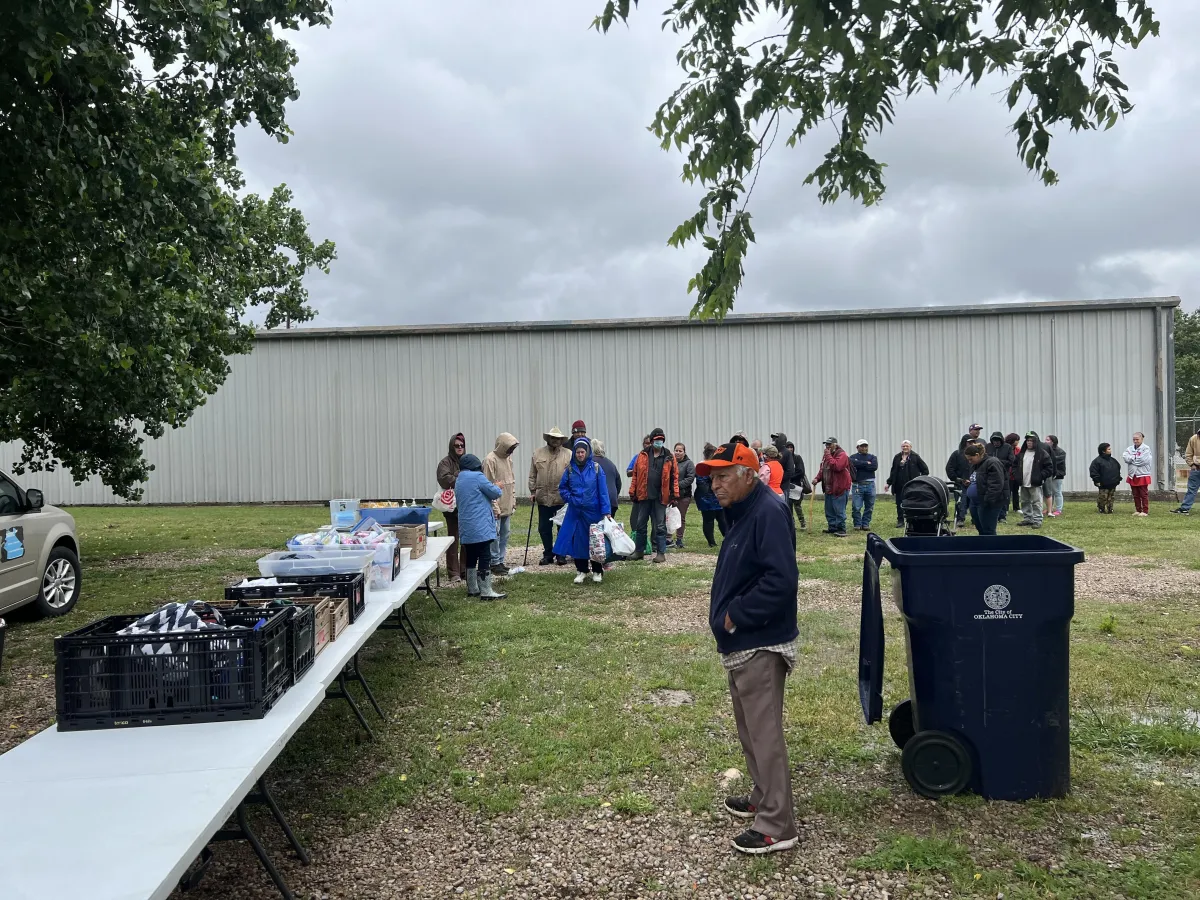
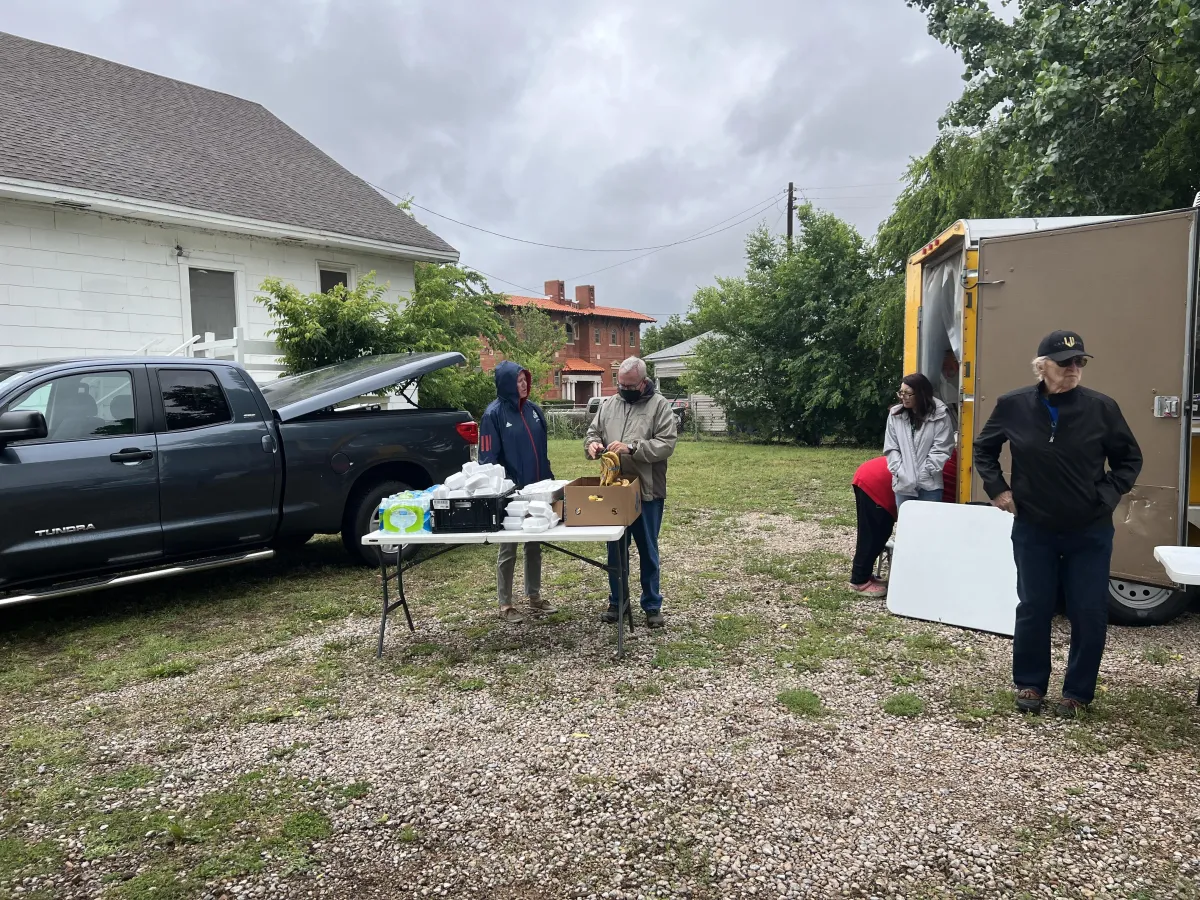
From ice water it grew. Hot dogs and sandwiches first. Then a full hot meal cooked weekly by rotating partner churches — mostly Methodist congregations from across the OKC metro, because Mosaic OKC, where the team stages from, has Methodist roots. Mary built the clothing line and still runs it — sorting and folding every donated piece into tubs and buckets, men's and women's, ready for whoever steps up to the trailer that week. Another partner now donates pet food twice a month for the people on the streets who have animals with them
— because their dogs and cats are family too.
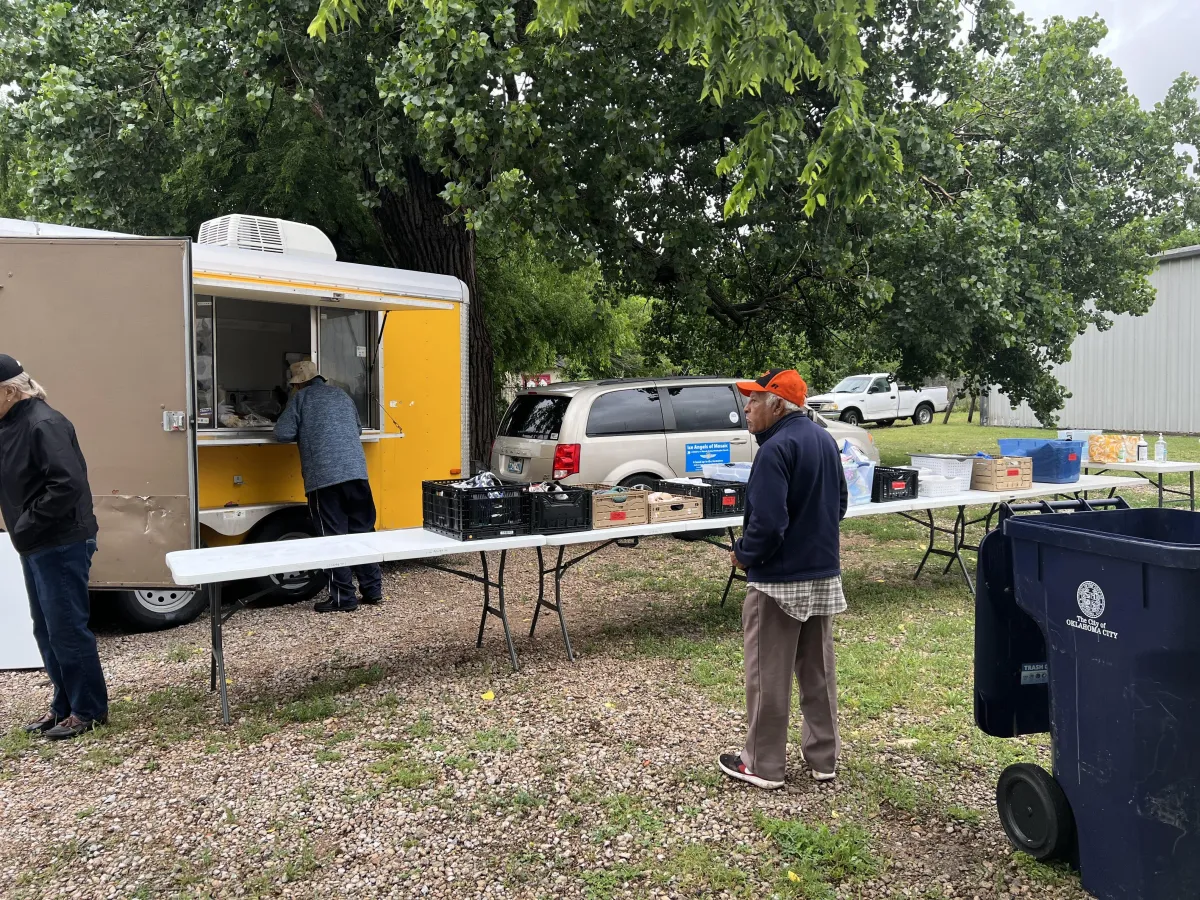
The yellow food trailer parked next to the team at Mosaic OKC every Wednesday is not the original trailer.
The original was lost in a partnership that did not honor what it said it would.
The Kaplans' son — a man about my age who understood from the inside how much this work meant to his parents
— bought them the trailer that runs now. That is the kind of legacy this ministry generates.
Not plaques on a wall.
Replacement trailers.
Continued service.
People showing up the same time, in the same place, every week.
Where The Work Stands
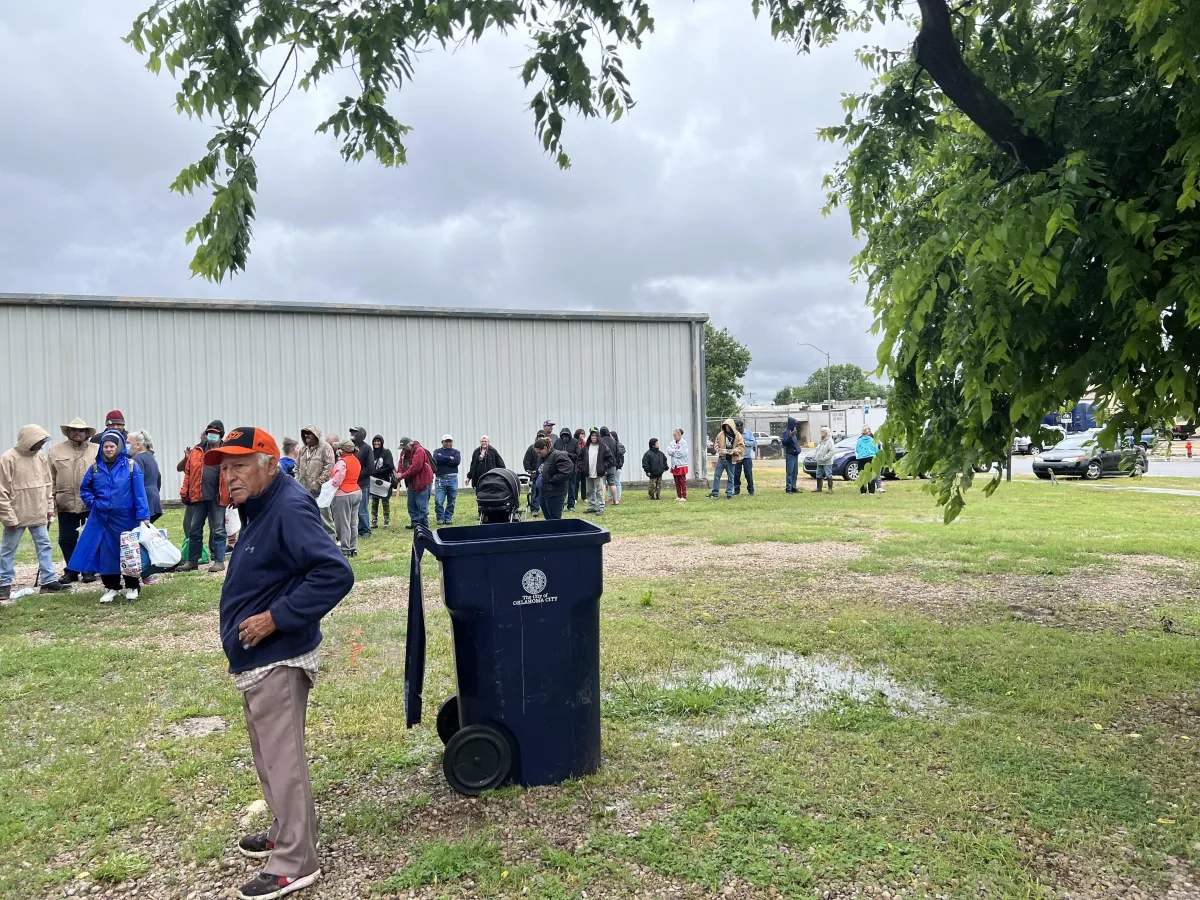
Every Wednesday at noon, the trailer rolls.
The team hands meals to people sleeping under bridges, in parks, in shelters, on the streets of OKC.
They hand them supplies — blankets, hygiene, dry socks, clothing, pet food, whatever was donated that week.
They pray with anyone who wants prayer. They learn names.
They come back the next Wednesday. And the Wednesday after that.
I was raised Methodist. I am no longer Methodist.
I walk as a Messianic believer now, anchored in Yeshua HaMashiach and the Word of the Father.
But the table at Ice Angels has never been about denomination.
It has been about the meal, the dignity, and the One who said
"Truly I tell you, inasmuch as you did it to one of the least of these my brothers, you did it to me."
That is what Mary and Lenny built.
That is what Mary and the team are still building.
Ice Angels carries Lenny's name in everything they do without ever needing to put it on a shirt
— and it carries Mary's hands in everything they serve.
"Truly I tell you, inasmuch as you did it to one of the least of these my brothers, you did it to me." — Mattityahu (Matthew) 25:40, WMBagraph Font
INACTIVE MINISTRY
The Bridge / OJPM
BEHIND THE WALLS — OKLAHOMA PRISON MINISTRY
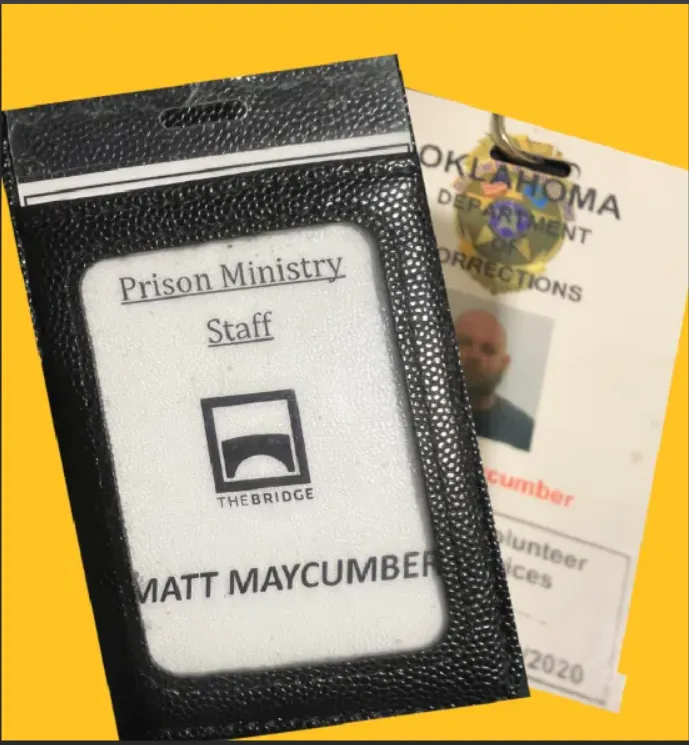
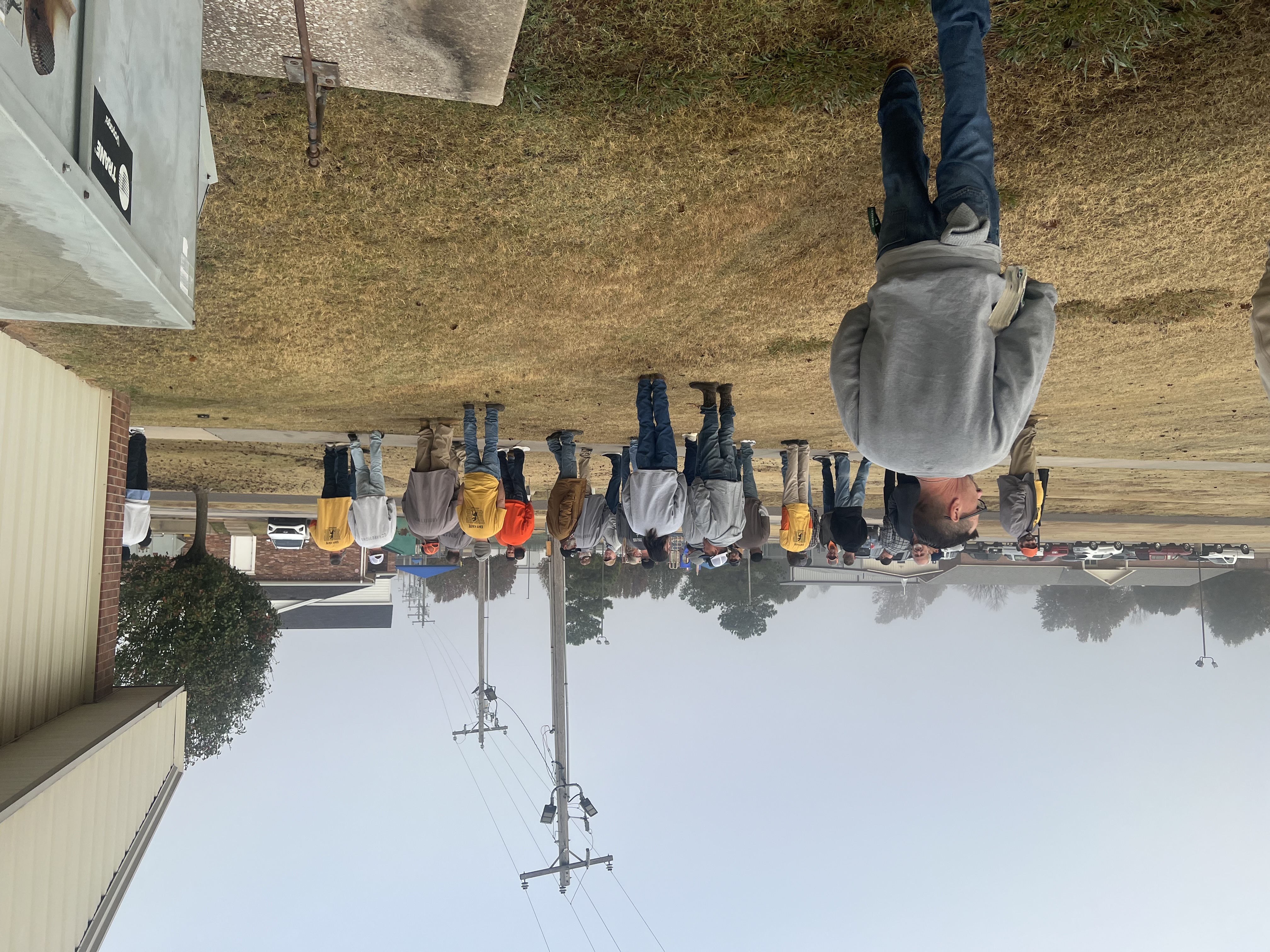
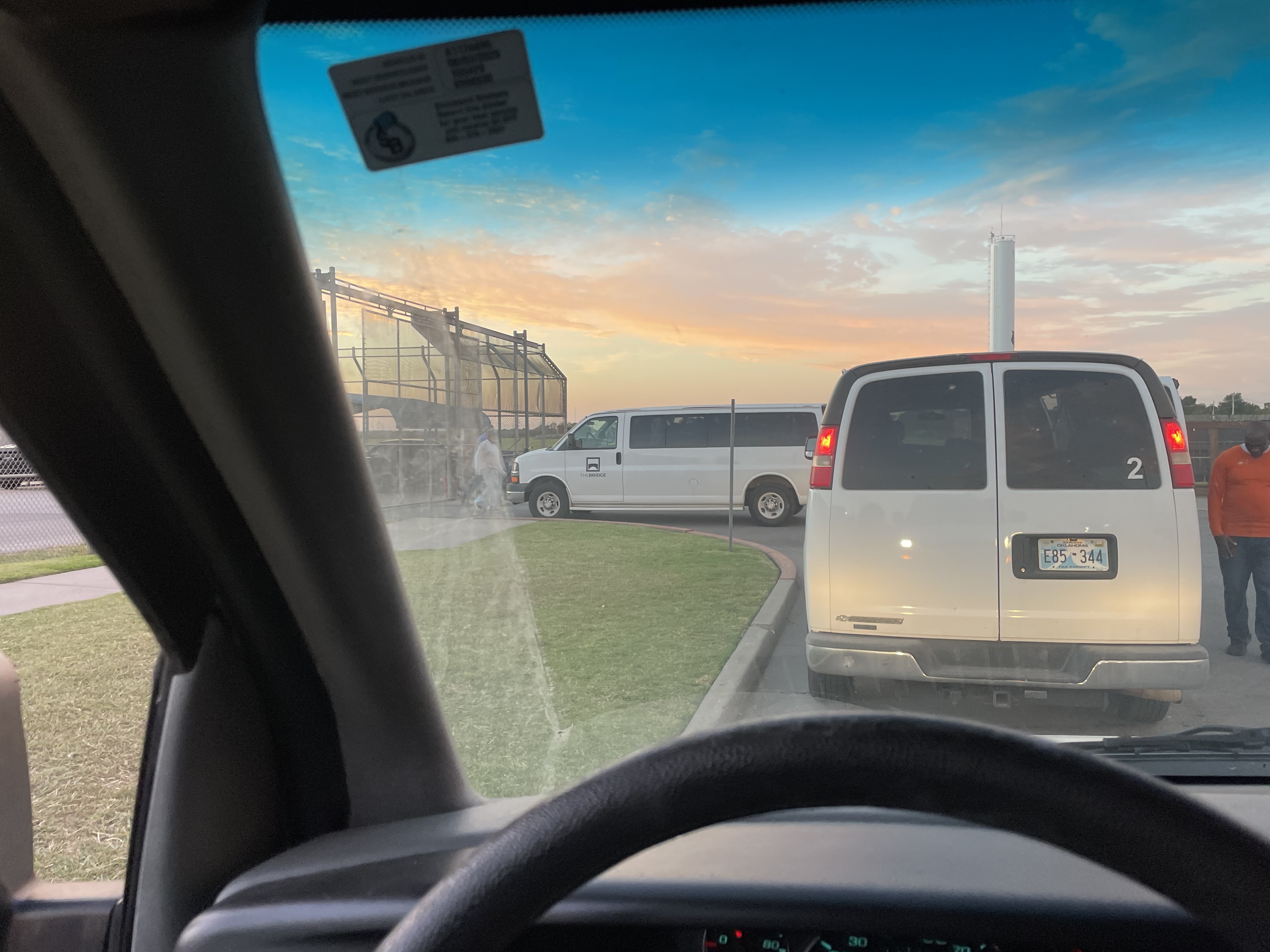
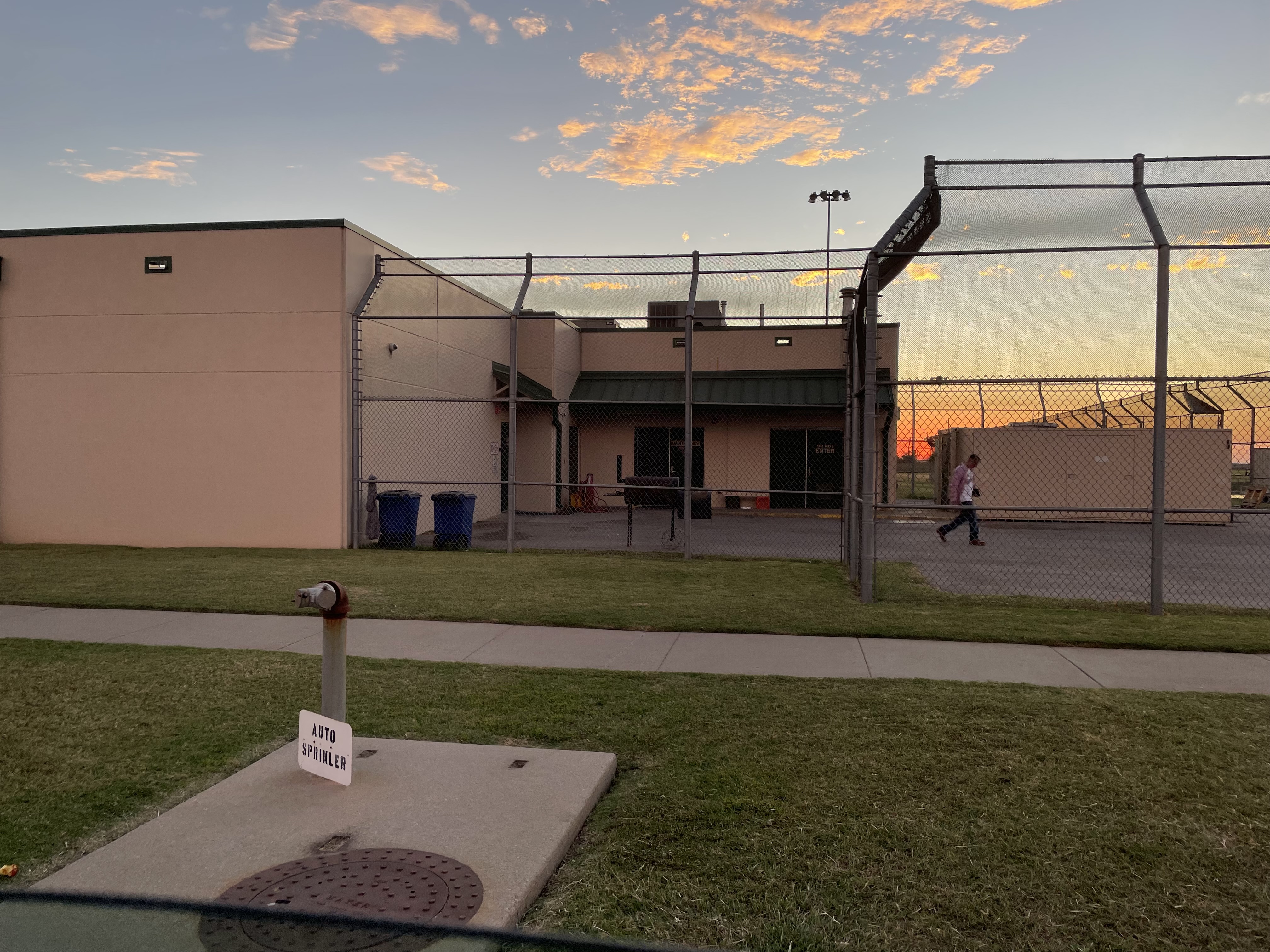
I am a Former Programmatic Volunteer with the
Oklahoma Department of Corrections.
— "The Spirit of Yahweh is on me, because he has anointed me
to proclaim good news to the poor. He has sent me to heal the
broken-hearted, to proclaim release to the captives, recovering
of sight to the blind, to deliver those who are crushed."
Luke 4:18, WMB